Built in a day · section 6
The lessons
The lessons
🧾 The Honest Accounting
Let's be clear about what "built in a day" means, because the phrase invites exactly the wrong picture. It does not mean effortless. It does not mean automatic. And it certainly does not mean unsupervised.
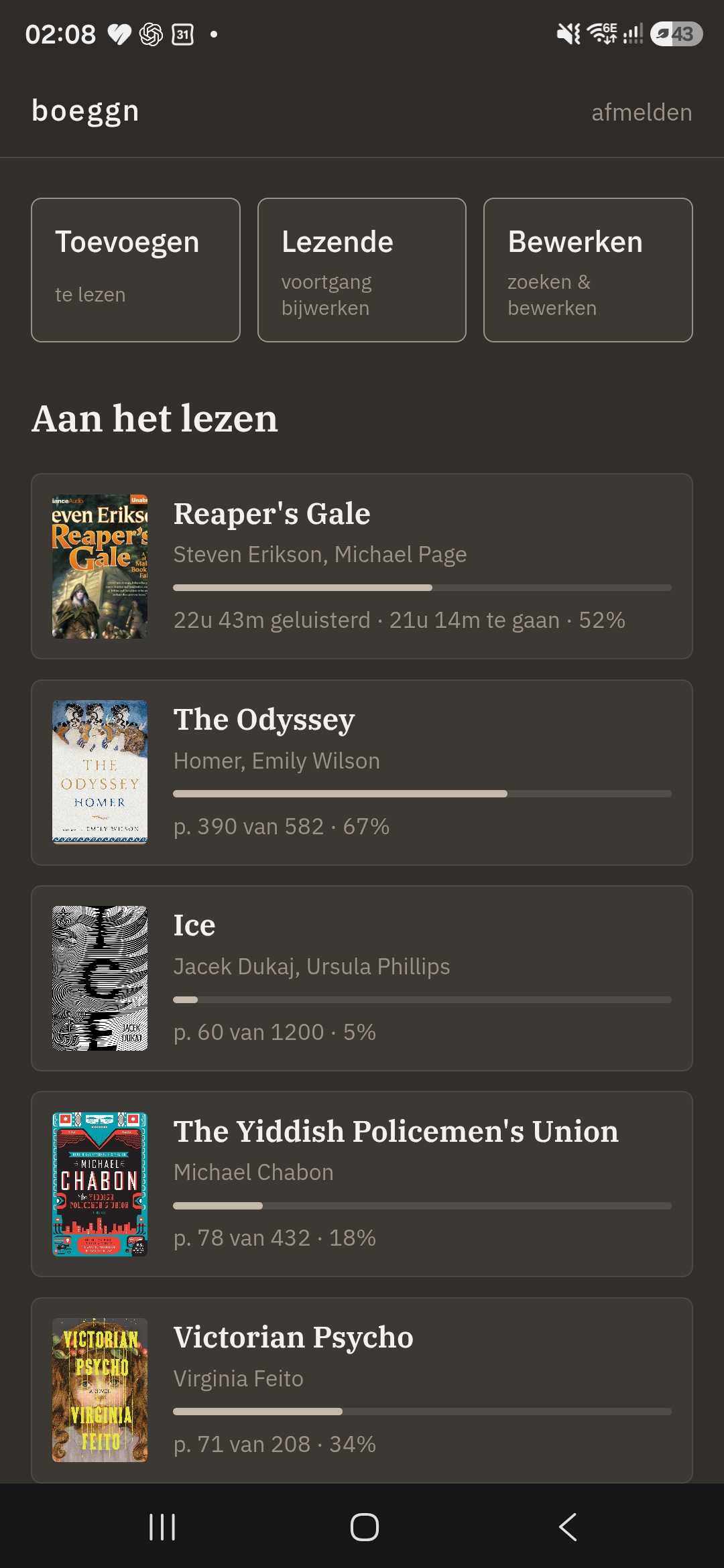
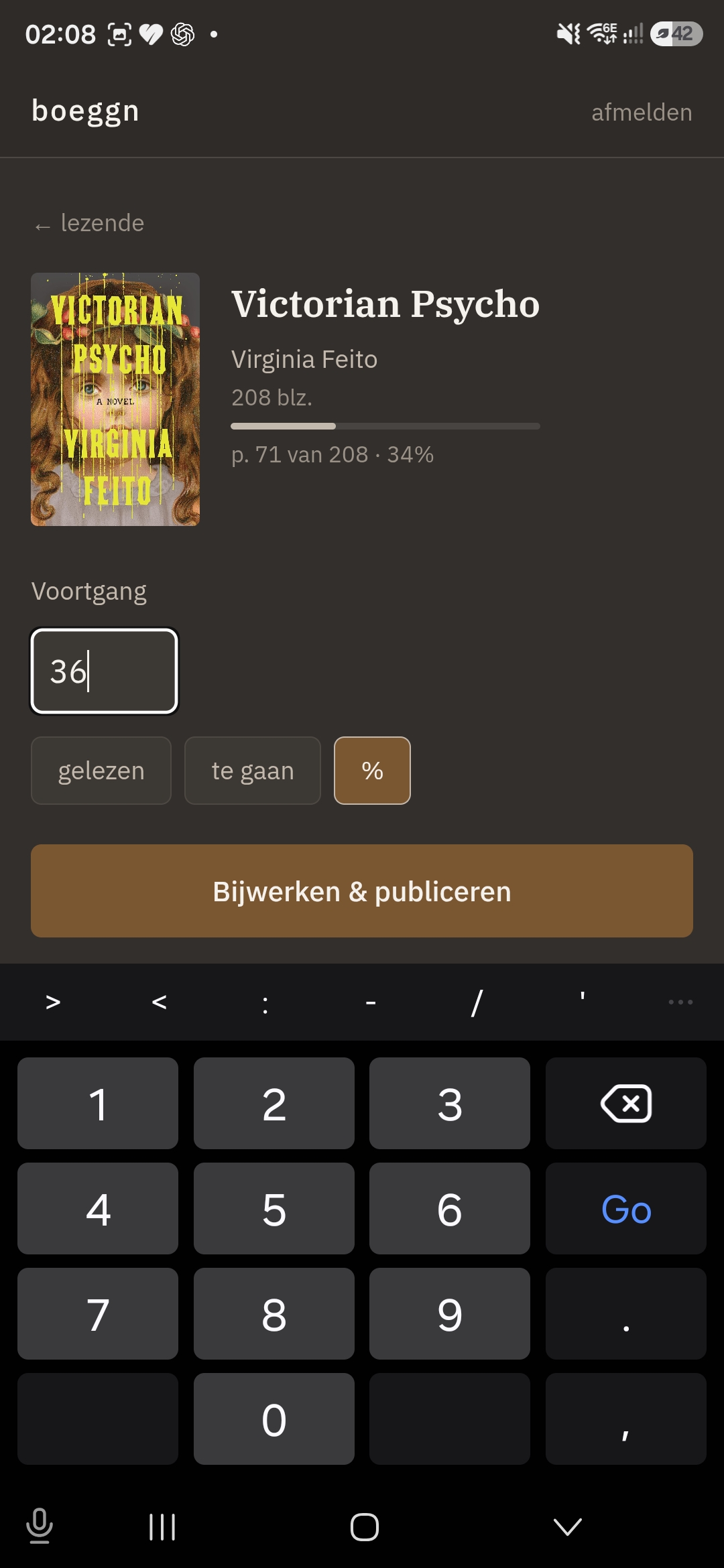
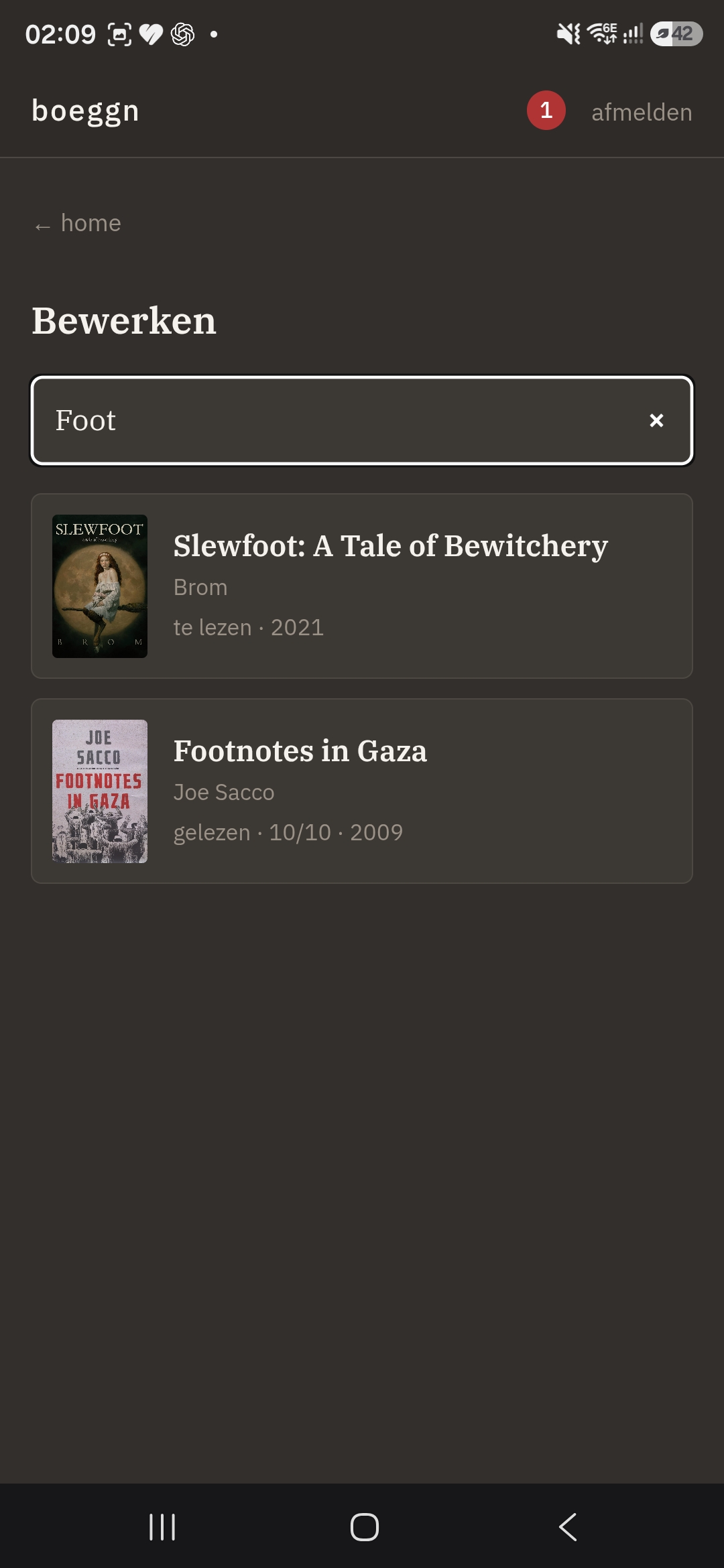
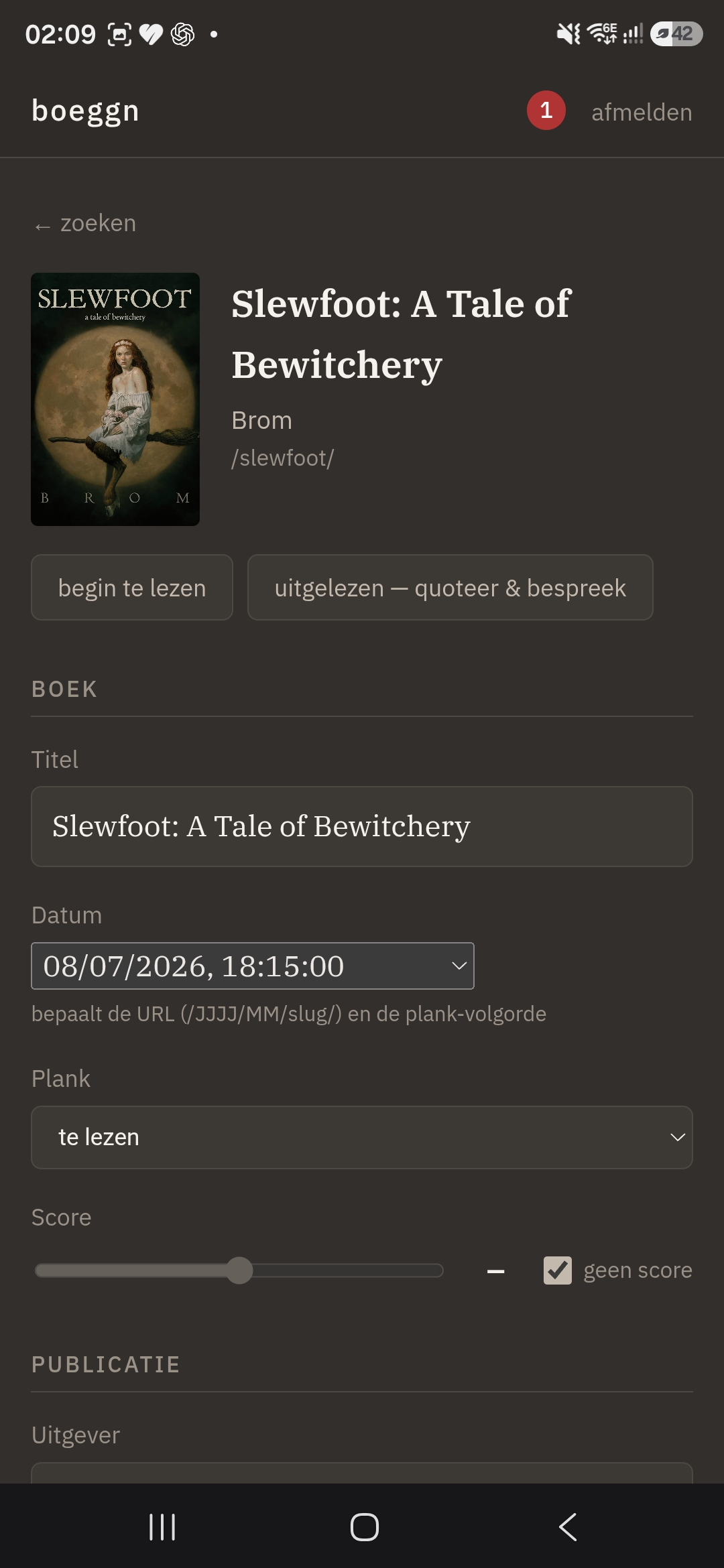
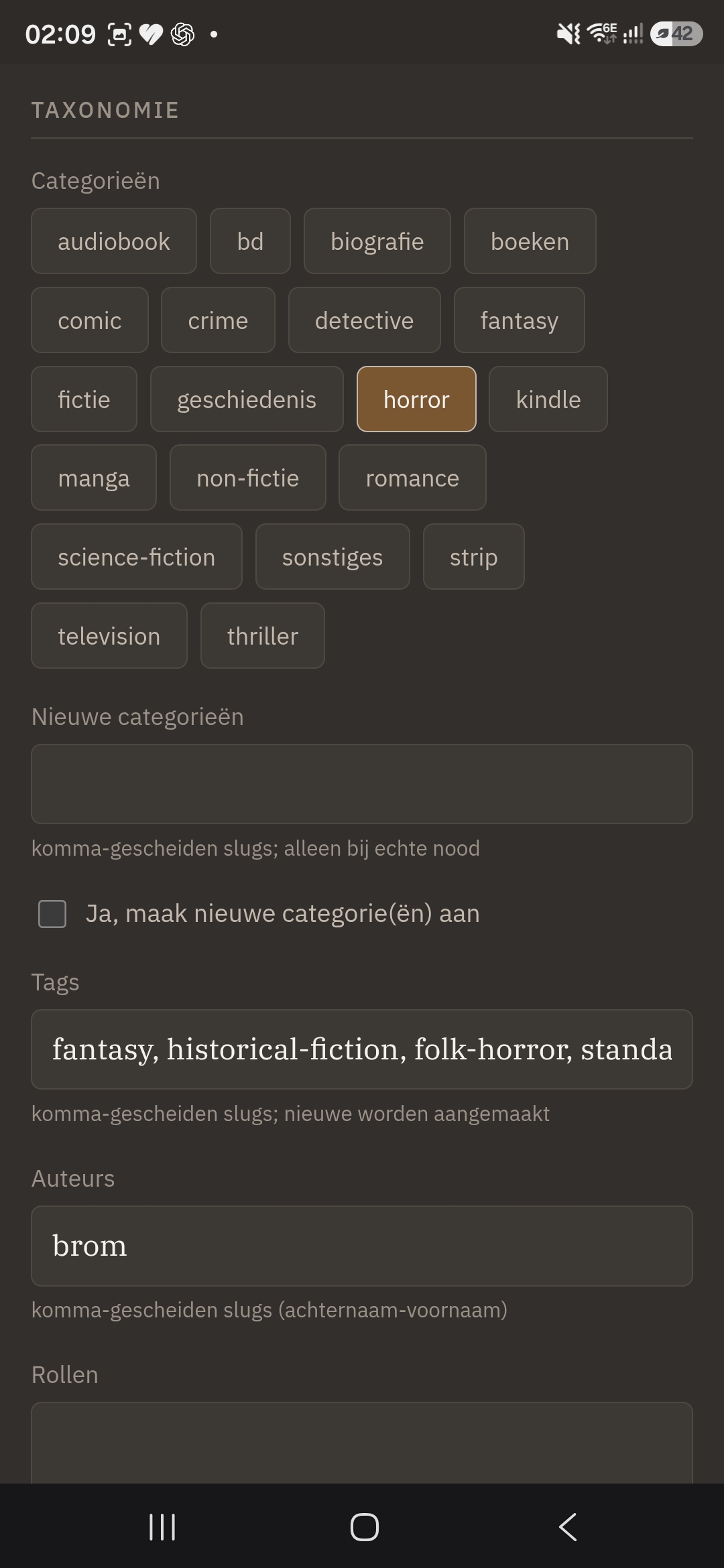
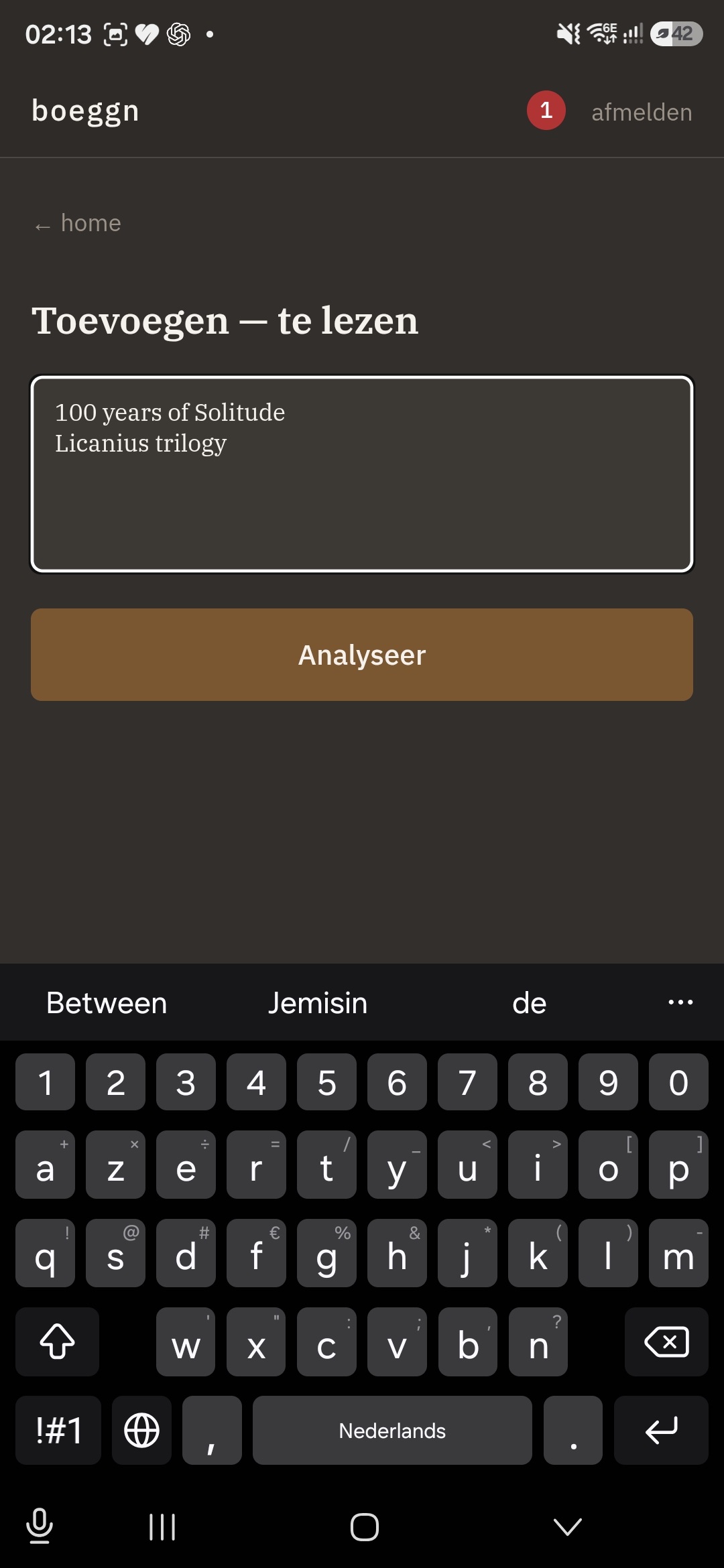
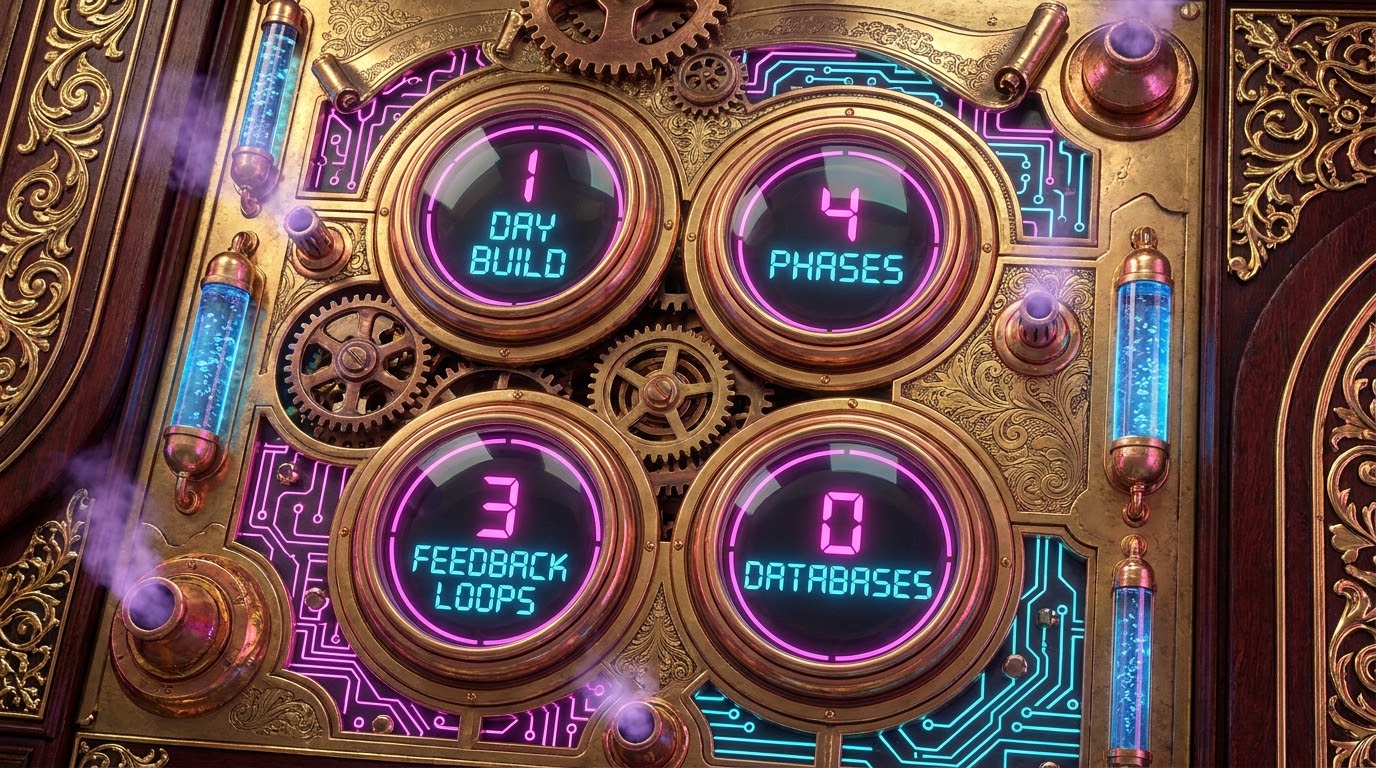
The day's rhythm, as the build log records it, was a steady alternation: a human brief, an AI build, a human feedback round, an AI fix — nine dated entries deep. The AI wrote the code; the human wrote the requirements, made the calls that require owning the consequences, created the DNS record, performed the production deploy as root, and supplied the three feedback rounds — each one a numbered list of things that were wrong, from misaligned checkboxes to cancelled deploys to interface copy that had no business sounding the way it did. Every phase shipped only after being verified against the real repository, in a real browser, and eventually on the real phone.
That division of labour is not a footnote to the story. It is the story. The same pattern powered the site's rescue two days earlier, and it repeats here at a smaller scale and a faster tempo: deep domain knowledge steering, tireless tooling executing, and a feedback loop measured in minutes. Neither half works alone. Together, they build an app in a day. This is what modern software development looks like — and we're only at the beginning of that journey.
🎯 Key Takeaways
Every journey deserves a summary, and this one earned its bullet points:
- ✅ Find the API you already have. The repository was the content API
all along;
git pushwas already the publish button. The best integration is the one you don't build. - ✅ Order phases by risk, not by glamour. The humble progress update proved the entire pipeline before a single line of AI code existed.
- ✅ Never re-serialize what you can line-target. Hundreds of hand-groomed files stayed byte-identical because the writer edits lines, not documents — and proved it against every post in the repo.
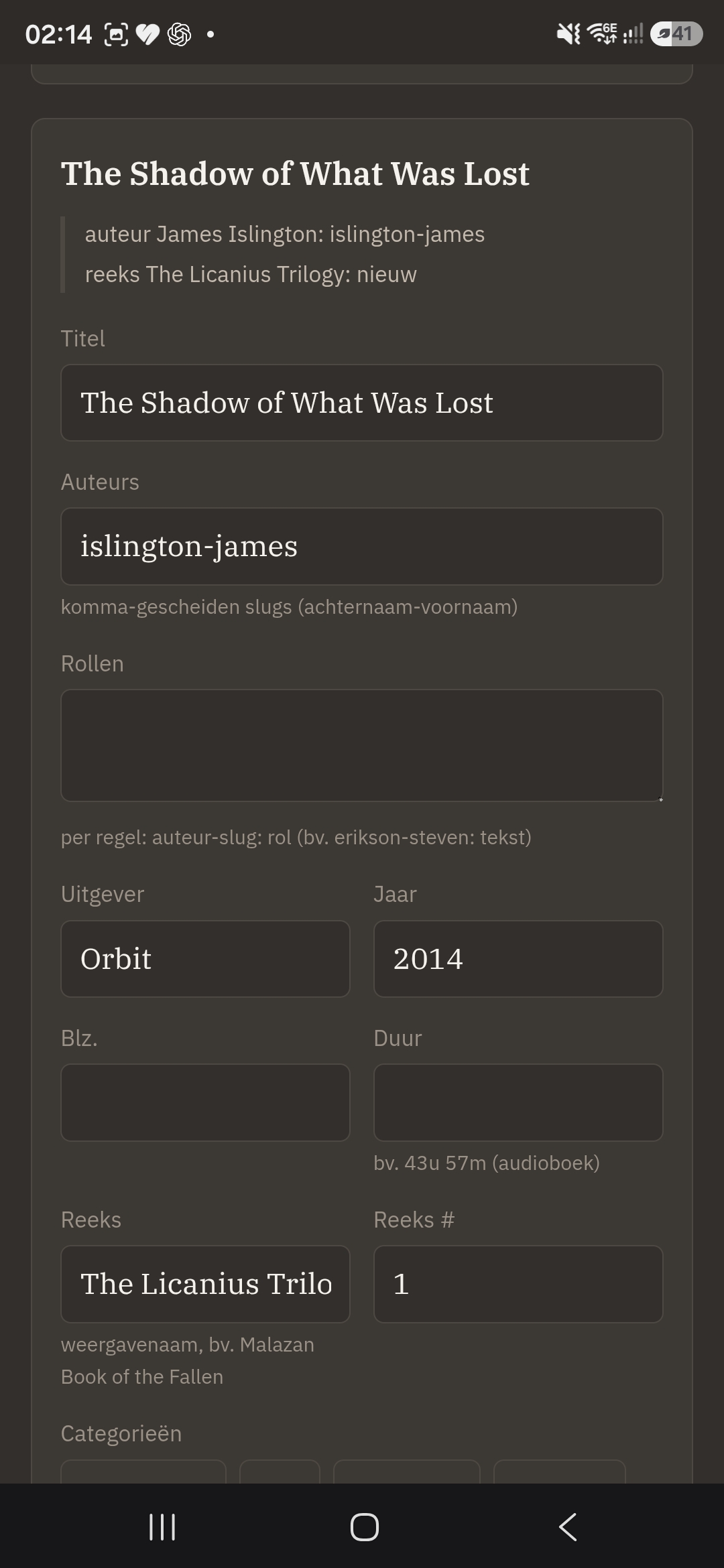
- ✅ Reconcile before you show. AI proposals are checked against the repository first; the one expensive mistake (an invented book) is the one the prompt explicitly forbids.
- ✅ Never guess; degrade honestly. An unknown series becomes one null-entry, not three invented books. A too-small cover becomes no candidate, not a bad one. A missing API token renders nothing, not an error.
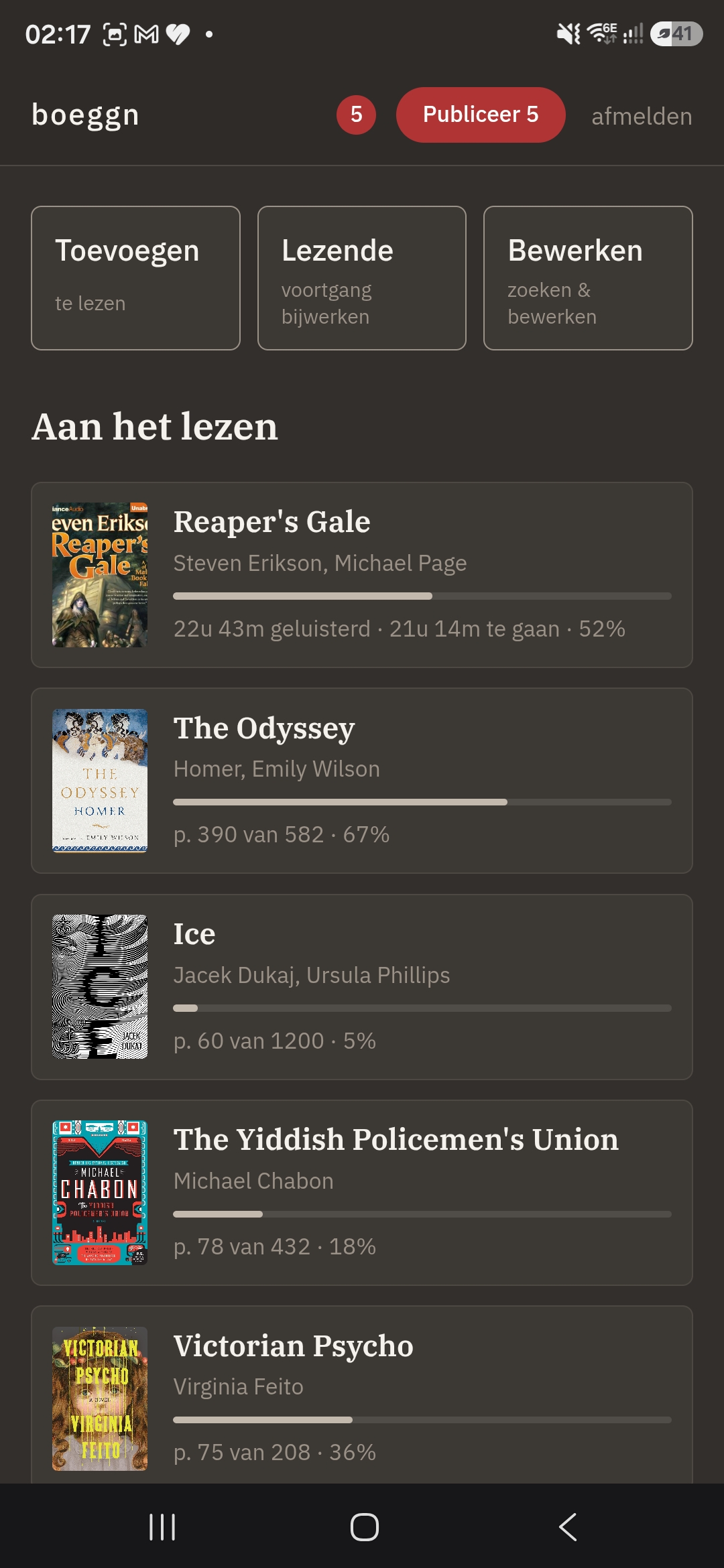
- ✅ Make publishing a decision. Atomic local commits plus one deliberate publish button solved a deploy-cancellation problem and made the workflow calmer. The badge is red for a reason.
- ✅ Test on the device you built for. The phone screenshot found what desktop spot-checks missed twice.
- ✅ With deploy keys, the alias goes in the remote URL. Some lessons cost an evening; this one is yours for free.
❓ Frequently Asked Questions
Is the site still static? Absolutely. This is the question the whole project answers, and the answer is a resounding yes: the site remains plain HTML built by Hugo, and the app's database contains zero book content. Nothing about the site changed at all — that's the beauty of it.
Did AI really build this in one day? Yes — and no. The AI wrote the code; a human wrote the brief, made every decision that mattered, deployed to production, and supplied three rounds of sharp-eyed feedback. The one-day timeline is real (the build log is dated), but it was one day of collaboration, not one day of magic.
What happens if the AI proposes a book that doesn't exist? It doesn't get the chance. Unknown series produce a single honest entry with empty fields rather than invented books, every proposal is reconciled against the repository before it's shown, and nothing — nothing — publishes without human review.
Can I use this app? No — and that's by design. It's a single-user tool for a single booklog, with one account and one very specific job. But every pattern in it — the git-client-with-forms architecture, the line-targeted writes, the explicit publish button — is yours to steal.
🛣️ The Road Ahead
Is the app finished? Of course not — finished is not a state, it's a direction. The deploy indicator waits for its access token to be installed on the server. Slug and URL editing remain on the wish list, as does removing a book. There will be a feedback round four, and a five; the build log ends with a standing instruction that every future work session must append its entry, and there is no reason to doubt it will be obeyed.
But step back and look at what one day produced. A booklog that survived twenty-four years of desktop-bound maintenance can now be fed from a phone on the couch, from a train, from the bookshop itself: type a title into a box, glance at what the AI proposes, correct what needs correcting, tap accept, tap the red badge, and watch the checkmark arrive. The site remains exactly what the migration made it — static files, one repository, no database — and yet it now has the one thing static sites are never supposed to have: convenience.
The site stayed pure. The workflow got easy. And the gap between "I finished a book" and "the booklog knows" has shrunk to the length of one red badge.
That's not a compromise. That's not a trade-off. That's the whole point. ✨