Your website is almost here! · section 2
Two hours during a meeting
Two hours during a meeting
This happened past the halfway mark of 2026; we're not in the Middle Ages of 2025 anymore, and so the rescue happened in parallel with the meeting. I would like to claim I gave the meeting my undivided attention. The commit timestamps may say otherwise. I can neither confirm nor deny.
The moves, in order:
- Point the A records at the Hetzner VPS I already had running for other things. DNS propagation takes a while anyway; you start that clock first.
- SSH into the Dreamhost server — which was still perfectly happy to let me in, it was only visitors it had opinions about — and dump all 1.5 GB of files.
- Dump the MySQL database: 18 MB of phpMyAdmin's finest.
- Start the strangler fig.
[pdx1-shared-a1-07]$ cd wp-content/themes/
[pdx1-shared-a1-07]$ tar czf ~/theme.tgz --exclude='.htaccess' boeggn/
[pdx1-shared-a1-07]$ cd ../uploads/
[pdx1-shared-a1-07]$ find . -type f ! -name '.htaccess' -regextype posix-extended \
      ! -regex '.*(-[0-9]+x[0-9]+|-scaled|@2x)\.[A-Za-z]+' -print0 \
| tar --null --ignore-failed-read -czf ~/uploads-originals.tgz -T -The strangler fig
A strangler fig is a tree that grows around a host tree, using it for structure, until one day the host is no longer needed and quietly ceases to be a load-bearing part of the arrangement. Applied to websites: you rebuild the site around the old one — same URLs, same content, same everything the visitor can see — and when the copy is indistinguishable from the original, the original can die. Nobody outside notices anything, which is the entire point. In this case the host tree had already been girdled by its own hosting company, so the fig was less "patient strategy" and more "emergency transplant", but the discipline is the same: first reproduce exactly, then improve. Never both at once.
"Exactly" here means exactly from the visitor's side. I wasn't about to mourn wp-admin. What the visitor's side amounts to is URLs: every address the old site served for the however many years it existed — year/month permalinks, category and tag archives, paginated everything, the feed — had to keep resolving. The generator is Hugo, one Go binary, chosen for speed and first-class taxonomies, and the heart of the parity work fits in a screenful of its config:
[permalinks]
  # Single book posts: /YYYY/MM/slug/  (matches WP /%year%/%monthnum%/%postname%/)
  [permalinks.page]
    posts = "/:year/:month/:slug/"
  # Taxonomy term archives — WP used singular bases;
  # myauthor used a custom base 'aut'.
  [permalinks.term]
    categories = "/category/:slug/"
    tags = "/tag/:slug/"
    authors = "/aut/:slug/"
That innocent-looking /aut/ line is doing more work than it appears to, and
the next section explains why.
Just two exceptions to "reproduce exactly". The first one makes my old school blogging heart bleed a little, but it is what it is: you can (for now) no longer comment on posts. The 567 approved comments came along in the database dump and may return as static HTML — they are part of the record — but new comments need a comment service, and a self-hosted one (Isso) is on the to do list rather than on the server. For a site whose comment section peaked somewhere around 2013, I can live with the list.
The second exception is much smaller and more stupid. One post's URL contained an actual zero-width space — an invisible Unicode character, faithfully served by WordPress for years, presumably pasted in around 2011 along with the title. After a long while of Claude insisting we really should do something about redirecting it properly, I decided: stuff it, it's one file, and retired the URL. Final score for URL parity: one hundred percent, minus one invisible character.
Exactly as it was
By the time the meeting reached its question and answer section (yep, I did ask questions), the fig had strangled. The site was back: static HTML built by Hugo, served by nginx on the VPS over HTTPS, deploying automatically — push Markdown to the git repository, GitHub Actions builds the site and rsyncs it to the server. Search, which on WordPress was handled by WordPress and used, let the record show, by nobody, is now Pagefind, also static.
Which means the security posture Dreamhost had hallucinated is now the actual security posture: no PHP, no WordPress, no plugins, no admin panel facing the internet, not even a database. There is nothing left to hack but nginx and a folder of HTML files; the attack surface didn't so much shrink as leave.
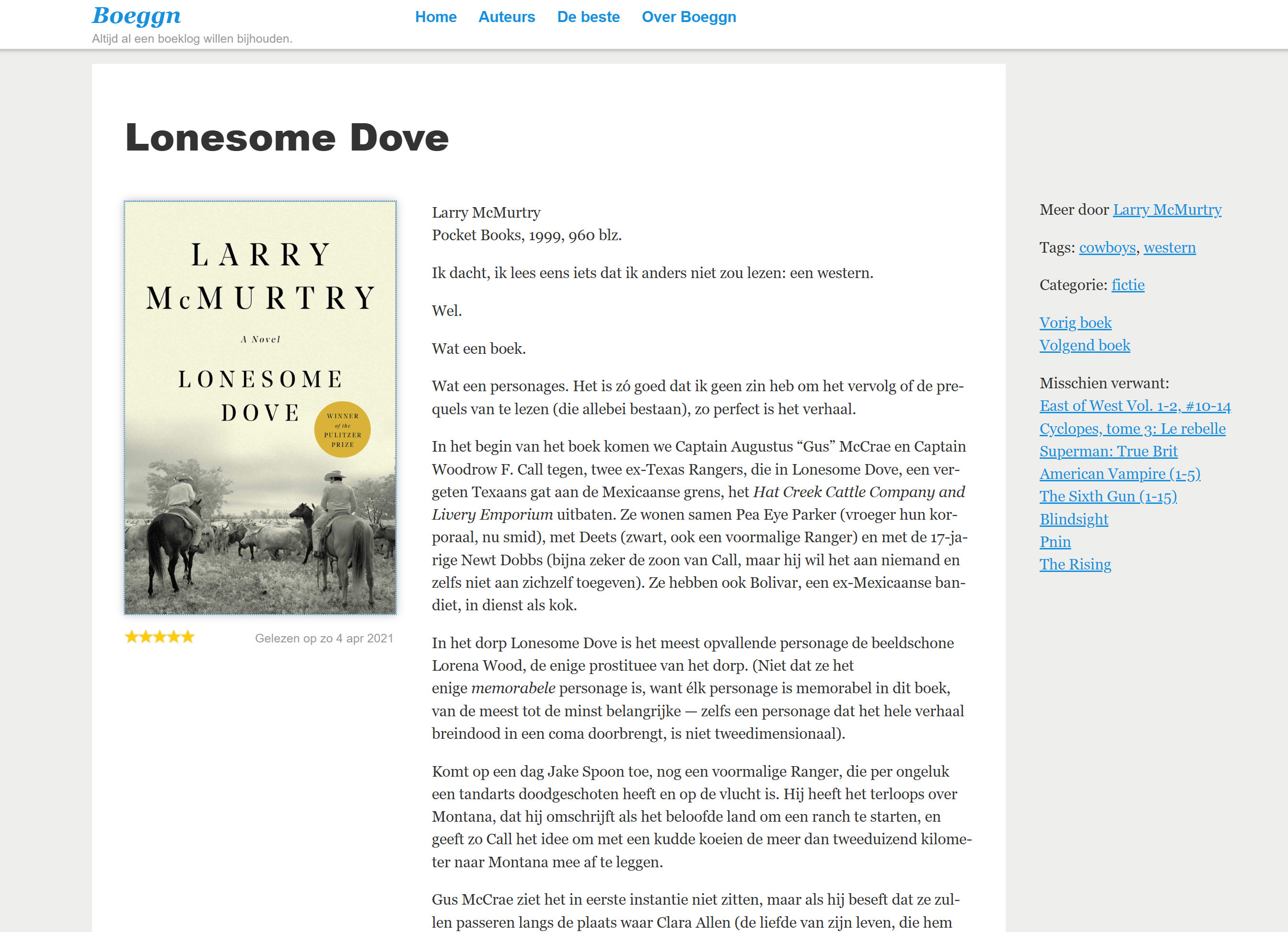
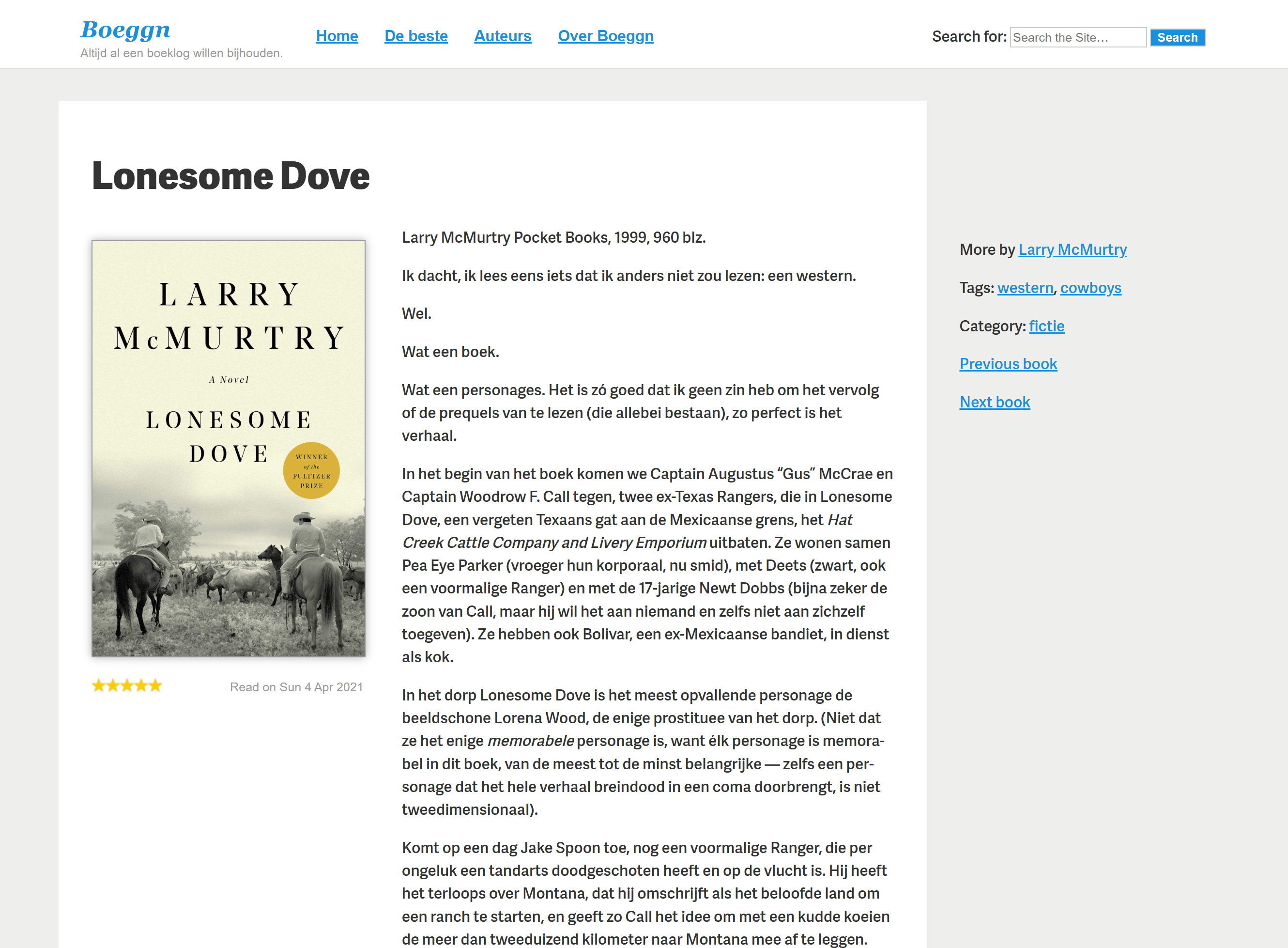
Put old and new next to each other and you could (almost) not tell. The cards on the homa page did not quite look exactly the same, the font was a bit funky, the main navigation (which I'd positioned very absolutely) peeked out of the header, some strings are in English instead of Dutch. But everything was substantially the same, and was available on exactly the same URLs as before. That was the acceptance test, and it passed before dinner. What happened the same day in the evening (and night) is two sections further on — but first, the archaeology, because you cannot faithfully reproduce a site until you know what it actually is.